

Trainings and Resources
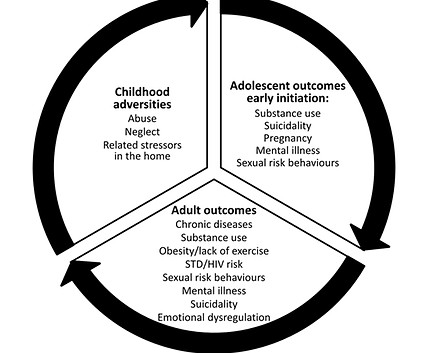
This training will introduce participants to the science of ACES, toxic stress, and the effects these factors can have on body and brain development.

Appalachian State University's Drug and Alcohol Abuse Prevention Program (DAAPP) promotes a safe and healthy campus environment by providing education, resources and support to prevent substance abuse.

CADCA is a nonprofit organization that is committed to creating safe, healthy and drug-free communities globally.

WV DII each year about the importance of medication safety through our Don’t Keep Rx Around™ Medication Safety and Generation Rx Programs delivered in partnership with the University of Charleston and Murphy Media, Inc.

In this training, participants will have a basic understanding of what constitutes trauma, and how it can present in children physically and physiologically.

Guidance for the Conversation Around Youth Substance Use Prevention
The National Council is a leading force in advancing mental health and substance use care, working tirelessly to expand access, improve quality and reduce barriers for millions of Americans.

Help and Hope WV connects people to information, tools, directory services, calendar of trainings, and events across the state.

This training is offered by the MidAtlantic AIDS Education and Training Center West Virginia Regional Partner.

This is a public education program that helps the public identify, understand, and respond to signs of mental illnesses and substance use disorders. Mental Health First Aid USA is managed, operated, and disseminated by three national authorities: the National Council for Community Behavioral Healthcare, the Maryland Department of Health and Mental Hygiene, and the Missouri Department of Mental Health.

By the end of this training, participants will understand that The Nurtured Heart Approach is a relationship-focused methodology founded strategically in “The 3 Stands” for helping children build Inner Wealth by the founder Howard Glasser.
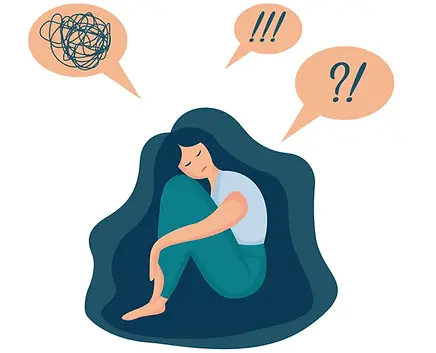
In this training, participants will understand the difference between positive and negative ways of coping with daily stress and the importance of self-care and resources to manage vicarious stress.
StigmaFree WV provides information about the types of stigma experienced by individuals with substance use disorder, stories of recovery, and how people can get involved.

Through a presentation-based format, drug education and policy clarifications are discussed with coaches, athletes, and parents. From there, conversations about drugs and alcohol can become more productive and choosing not to use has a rational and potentially shared basis.

Through a presentation-based format, drug education and policy clarifications are discussed with coaches, athletes, and parents. From there, conversations about drugs and alcohol can become more productive and choosing not to use has a rational and potentially shared basis.

Evidence-informed guidance for creating, delivering, and disseminating messages to prevent onset or escalation of substance use in youth and build community support and readiness for substance use prevention for 12 to 18 year-olds.

This is an evidence-based screening and brief intervention program for professionals who work directly with adolescents, including school counselors, mental health providers, youth service providers, and juvenile justice professionals.

The Cost of Caring: Healing the Helpers Training
OAYI, supported by OJJDP, aids communities in addressing the impact of opioids and other substance use disorders on youth and families.

In this training, participants will understand the necessity of non-judgmental perspectives, understand body positioning, paraverbal communication, and how to communicate effectively and reasonably when dealing with a person in verbal elevation/escalation.

This training will provide tips and techniques that educators can utilize immediately such as “brain-breaks” and incorporating breathing techniques and calming, yet environment appropriate, body movements.